The Guide to Moving to Dubai
Dubai attracts thousands of expats every year, drawn by its job opportunities, high quality of life, and exceptional living environment. This cosmopolitan city—renowned for its state-of-the-art infrastructure, year-round sunny weather, and multicultural atmosphere—appeals equally to entrepreneurs, families, and young professionals.
However, moving to Dubai requires careful preparation. In this guide, you will find all the key information you need to plan your relocation to the famous “Golden City” and ensure a smooth transition.
In a nutshell
Moving to Dubai requires obtaining a visa that matches your personal or professional situation, such as a residence and work visa, Green Visa, digital nomad visa, Golden Visa, retirement visa or investor visa. The process generally includes submitting supporting documents, completing a medical examination, obtaining an Emirates ID and validating your residence permit.
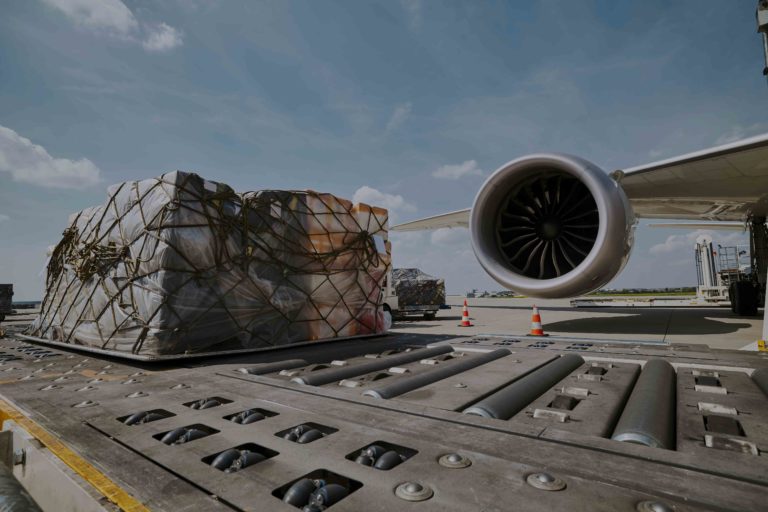
Personal belongings can be shipped to Dubai by sea freight, which is generally more economical for larger volumes, or by air freight, which is faster but more expensive. Customs formalities usually require a detailed inventory of the goods, a copy of your passport and residence visa, while certain products are prohibited or subject to strict restrictions.
If you are relocating with a pet, entry into Dubai generally has to be arranged as air freight. Microchipping, vaccinations, antiparasitic treatments, an import permit and an official health certificate are among the main requirements that need to be prepared before departure.
Relocating to Dubai also involves several practical administrative steps, including translating and legalising certain documents, registering with the French consulate, obtaining a UAE driving licence, arranging suitable health insurance and updating your status with the relevant French authorities.
My Move supports your relocation to Dubai with solutions tailored to your requirements and budget. With more than 20 years of international mobility expertise and a network of over 150 partners across more than 100 countries, My Move provides personalised support throughout the moving process.
How to Move to Dubai?
Whether you are applying for a visa, registering with local authorities, or preparing your documents, here are the essential formalities to complete before leaving for the United Arab Emirates.
Which Visa Do You Need to Live in Dubai?
Living in the UAE requires obtaining a visa that aligns with your plans and your professional or personal situation. The Emirati government offers several types of visas that allow foreign nationals to work, study, or even retire in the UAE. Below is an overview of the main visa options and their eligibility requirements:
- Residence and Work Visa: Allows you to live and work in the UAE. It is valid for 3 years and renewable.
- Green Visa: An alternative to the standard work visa, designed for skilled professionals in priority sectors and freelancers. It allows residency in the UAE without the need for a sponsor. It is valid for 5 years and renewable.
- Digital Nomad Visa (Virtual Working Program): A renewable 1-year visa for remote workers wishing to live in Dubai while being employed by a foreign company.
- Golden Visa: Grants long-term residency, valid for 5 or 10 years and renewable. It is intended for investors, entrepreneurs, individuals with specialized professions, and students or graduates from accredited universities.
- Retire in Dubai Visa: A renewable 5-year retirement visa for individuals aged 55 and above seeking to settle in the UAE.
- Investor and Entrepreneur Visa: Investors who wish to establish or develop a business in the UAE can obtain a residence visa, generally valid for 3 years. This visa is available to those who create a company in Dubai or invest in local projects.
How to Get a Dubai Visa?
Visa applications are submitted through the immigration authorities or via a sponsor (employer, investor, or family member).
The procedure to apply for a visa typically includes:
- Submitting the application with a valid passport, proof of income or employment, health insurance, and other supporting documents;
- Completing a mandatory medical examination (required for all long-term visas);
- Obtaining the Emirates ID, the resident identity card;
- Final validation of the visa and residence permit.
Processing time and complexity vary depending on the visa type. Certain categories, such as the Golden Visa, require a detailed assessment of eligibility criteria.
For more information on current regulations and application procedures, we recommend consulting the official UAE government website.
How to Ship Your Personal Belongings to Dubai?
The transport of your personal belongings is a key step when planning a move to Dubai. Below is an overview of the customs regulations you need to be aware of and the available options to ship your luggage and furniture to the UAE.
Custom Formalities
The importation of personal effects and household goods is generally straightforward for expatriates relocating to Dubai. However, to avoid delays or customs refusal, you will be required to provide:
- A detailed inventory of all imported items (in English, with estimated values).
- A copy of your passport and residence visa.
- An authorization letter from your employer or sponsor, if applicable.
All personal belongings must be strictly for private use and must not be new in commercial quantities, otherwise they may be subject to customs duties.
Restricted and Prohibited Items
Certain products are strictly prohibited or subject to restrictions under local regulations, including:
- Publications and cultural media (books, magazines, DVDs, video games, etc.) may be subject to censorship. Any content considered offensive to religion or contrary to local values may be confiscated.
- Medication is heavily regulated. Many medicines commonly available in Western countries are prohibited in the UAE. A prescription and prior authorization may be required. The list of restricted or banned medicines is available from the UAE health authorities.
- Alcohol is tightly regulated. It is prohibited for Muslims and requires a special license for non-Muslims. Importing alcohol—particularly via sea freight—is strictly controlled.
- Illegal substances (drugs, products containing CBD, narcotics of any kind) are subject to severe penalties, including imprisonment.
- Pornographic material, non-Islamic religious items in large quantities, and gambling-related objects are also prohibited.
For the full and up-to-date list of prohibited and restricted items, please refer to the official UAE government or customs authority website.
Which Transport Method Should You Choose?
To ship your personal belongings to Dubai, you have two options:
- Sea freight: Suitable for full relocations and large volumes, container shipping is generally more cost-effective but also longer, with transit times ranging from 4 to 8 weeks. Groupage (shared container) is available to help reduce costs by combining shipments with those of other clients.
- Air freight: Ideal for urgent shipments or small volumes, air freight ensures fast delivery—typically within 1 to 2 weeks. However, it is more expensive and may come with weight restrictions.
How to Bring Your Pet with You to Dubai?
The United Arab Emirates enforces strict regulations on the importation of animals. Below are the key requirements if you plan to bring your dog, cat, or any other pet to Dubai.
Transport: Mandatory Air Cargo Arrival
Unlike other destinations, Dubai does not allow pets to enter as “accompanied luggage”. Your pet must travel via the airline’s cargo service, whether flying with Emirates, Air France, or Etihad. Only a few exceptions exist, notably for service dogs.
It is possible to arrange for your pet to arrive on the same flight as you, but their transport must be booked separately. This process requires specific formalities and a preparation period of at least 12 weeks.
Health and Vaccination Requirements
Importing a pet into Dubai is subject to strict health requirements:
- Mandatory microchip identification: Pets must be microchipped (tattoos are not accepted).
Required vaccinations for dogs: Rabies, distemper, parvovirus, leptospirosis, and infectious hepatitis (DHLPP). - Required vaccinations for cats: Rabies, feline panleukopenia, feline rhinotracheitis, and feline calicivirus.
- Rabies antibody titration test: If your pet is receiving its first rabies vaccination, you must wait 21 days before performing the serology test.
- Mandatory parasite treatments: External (Fipronil or Permethrin) and internal (Praziquantel). These treatments must be administered within 14 days before departure and recorded in the pet’s passport.
Required Documents
To enter the United Arab Emirates, your pet must have an import permit issued by the local authorities. This document is valid for 1 month and is typically obtained within 3 days.
A health certificate must also be issued within the 24 hours preceding departure. This certificate, prepared by a licensed veterinarian, must be endorsed by the local veterinary authorities. Without this document, your pet will not be allowed to board.
Since October 2016, all required health information has been consolidated in the official document Annex No. 3: “Model of Veterinary Health Certificate for Exporting Cats and Dogs into the United Arab Emirates.”
Additionally, following the global health crisis, a Covid Annex is now required for the importation of cats.
Specific Rules by Species
Import requirements vary depending on the species. Parrots, rodents, or turtles, for example, are subject to specific regulations. Before any travel, we strongly recommended to consult the local authorities or a pet transport specialist to ensure compliance with all formalities. If you have any doubts, please do not hesitate to contact us.
How to Prepare to Move to Dubai?
Relocating to Dubai requires careful planning. Between gathering the necessary documents, arranging insurance, and completing administrative procedures, preparation is essential. Here is everything you need to know to ensure a smooth and well-organized move.
Documents to Gather and Translate
Moving to Dubai requires certain documents to be translated, certified, and legalized to ensure they are recognized by the UAE authorities.
Frequently requested documents include:
- Academic diplomas and certificates
- Marriage certificate: For couples relocating together, a translated and legalized marriage certificate is necessary for various procedures, including spouse visas, opening bank accounts, and securing housing.
- Birth certificate: Recommended for administrative procedures and family visa applications.
- Criminal record certificate: May be required for specific professions or visa applications.
The typical certification and translation process involves:
- Translating the document into Arabic or English through a certified translator;
- Obtaining certification from the relevant foreign affairs authority;
- Having the document authenticated by the UAE Embassy or Consulate in your home country.
If these steps are not completed before departure, documents can also be legalized in Dubai at the UAE Ministry of Foreign Affairs or via your home country’s consulate. However, this procedure is often longer and more expensive than completing the process prior to relocation.
Getting a Local Driving License
If you plan to drive in Dubai, you will need to obtain a UAE driving license, as foreign and international driving permits are not recognized for legal use in the Emirates.
The process to apply for a UAE driving license typically involves the following steps:
- Obtain your driving record: Applicants may need to request a driving record from the relevant authority in their home country. Holders of certain updated-format licenses may be exempt from this step.
- Certification of documents: Contact your country’s consulate or embassy in Dubai to have your documents certified and pay any administrative fees required for the license exchange process.
- Submit your application to the Road & Transport Authority (RTA): You will generally need to provide:
- Your original driving license from your home country
- Your driving record (if required)
- An official translation of your license into Arabic (if applicable)
- A copy of your passport and residence visa
- A recent passport-size photograph
- A medical certificate confirming your fitness to drive (including vision test)
- Payment of application and issuance fees
After your documents are verified and fees are paid, you will receive your UAE driving license, authorizing you to drive legally in Dubai.
Taking Out the Right Health Insurance
Relocating to Dubai means access to a high-quality healthcare system, but it also comes with high medical costs. For expatriates in Dubai, having adequate health insurance is not only a legal requirement but also a financial necessity.
While employer-provided health insurance often covers part of the costs, the coverage is frequently insufficient to meet all the medical needs of an expatriate and their family.
To ensure comprehensive protection, make sure your health insurance includes coverage for routine medical care, hospital stays, and medical evacuation.
Depending on your needs, you may also consider additional coverage such as liability protection, maternity, or extended dental care.
Two main options are available for expatriates:
- International health insurance from a specialized provider of your choice
- Locally tailored expat health plans offered by reputable UAE insurers, providing coverage suited to the needs of residents in Dubai
By arranging your health coverage before departure, you can enjoy peace of mind and optimal protection, allowing you to fully embrace your new life in Dubai.
Updating Your Status with Local Authorities
Before you leave, certain administrative steps are essential to inform the relevant authorities of your relocation to Dubai:
- Taxes: Moving abroad can affect your tax status. It is important to notify the tax authorities in your home country and verify your continuing tax obligations.
- Health coverage: Clarifying your health insurance status before departure is essential. If needed, arrange for suitable international health insurance to ensure uninterrupted coverage while living in the UAE.
Cancelling or Transferring Your Current Contacts
Before leaving your home country, also make sure to cancel or transfer the following services and subscriptions:
- Phone and internet: Cancel or suspend your mobile and internet subscriptions if you do not wish to keep an active local number.
- Utilities: Contact your electricity, water, and gas providers to close your accounts.
- Insurance (home, vehicle, health, etc.): Review the cancellation or adjustment procedures for your policies according to your new situation.
For more guidance on preparing for an international move, consult our detailed relocation guide.
Useful Information for a Successful Relocation to Dubai
Moving to Dubai offers the opportunity to experience a dynamic lifestyle, a cosmopolitan environment, and an attractive living standard. To fully enjoy this experience, it is important to understand the cost of living, the best neighborhoods to settle in, and the local education system. Here are some practical insights to help you start your new life in the UAE.
What is the Cost of Living in Dubai?
The local currency in Dubai is the United Arab Emirates Dirham (AED). As of March 2025, 1 € is approximately equivalent to 4 AED.
The cost of living in Dubai is higher than in France, by roughly 13–16%, while purchasing power is also higher, about +11% compared to France.
While some expenses, such as rent, school fees, and transportation, are more expensive than in France, others, like oil and gas and domestic services (cleaning, childcare), remain relatively affordable.
How to Find Accommodation in Dubai?
Dubai boasts a dynamic real estate market, offering a wide range of properties, including modern apartments, spacious villas, and luxury residences with full-service amenities such as concierge, swimming pool, and fitness facilities.
Rental prices vary significantly depending on the neighborhood and type of property. To streamline your search, we advise you to work with a local real estate agency.
Some of the most sought-after neighborhoods by expats include:
- Downtown Dubai: Located in the heart of the city, this ultra-modern and vibrant district is home to the Burj Khalifa and Dubai Mall. It is lively but commands premium prices.
- Dubai Marina: One of the most modern and luxurious districts, popular among young professionals and couples for its waterfront lifestyle and elegant skyscrapers.
- Jumeirah Beach Residence (JBR): Highly regarded for its prime beachfront location and proximity to numerous bars, restaurants, and retail outlets.
- Dubai Silicon Oasis: Slightly removed from the city center, this residential area primarily attracts families, particularly due to its proximity to the French Georges Pompidou School.
- Arabian Ranches: Favored by expats seeking green spaces and tranquility, away from the hustle and bustle of the city center.
Whether you are looking for a vibrant urban lifestyle, a beachfront setting, or a quieter family-oriented environment, Dubai offers a wealth of options tailored to the needs of all expatriates.
How Does Taxation Work in Dubai?
Dubai’s highly advantageous tax regime is one of its main attractions. The United Arab Emirates has implemented an extremely low-tax policy, which includes:
- Full exemption from personal income tax
- A 5% VAT on most goods and services (everyday consumer products, hospitality, dining, telecommunications, etc.)
- No property or housing taxes
- Real estate registration fees of 4% when purchasing property in Dubai
It is worth noting that a double taxation agreement exists between France and the UAE. For more information on this topic and the steps to follow when relocating, it is recommended to consult a tax specialist.
How to Move to Dubai with Children?
When moving to Dubai with kids, children’s education is a key consideration. Dubai’s school system includes public, private, and international schools.
For families wishing to maintain a French-language education, several schools follow the French national curriculum, including:
- Lycée Français International Georges Pompidou (LFIGP)
- Lycée Français International de Dubaï (AFLEC)
- Lycée Français Jean Mermoz
Dubai also offers British, American, and International Baccalaureate (IB) schools. These institutions provide high-quality education, though tuition fees can be substantial.
We advise you to contact schools early to understand the enrollment process and submit applications in a timely manner.
Useful Contacts & Resources
French consulate in Dubai
- Address: Habtoor Business Tower, 32ème floor, Dubai Marina, in front of the Habtoor Grand Hotel
- Phone: +971 4 408 4900 (Monday-Friday)
- Emergency phone: +971 50 644 6860
- Email: dubai-fslt@diplomatie.gouv.fr
- Website: https://ae.ambafrance.org/
Relocate to Dubai with My Move!
Moving to Dubai is a major life decision. At My Move, we offer a range of solutions tailored to your needs and budget, whether you are seeking a bespoke premium service or a more cost-effective option.
With over 20 years of expertise in international mobility and a network of more than 150 partners across over 100 countries, we ensure a smooth and stress-free relocation, providing local support every step of the way.
Contact us today to receive a personalized quote!